
Local Experiences
The Best Time to Visit Sukhothai
Sukhothai has a cool season, a hot season, and a wet season — and each one produces a different place. The ruins look different in November than they do in June. The crowds thin out and thicken again. One weekend each November transforms the ancient city into something found almost nowhere else in Thailand. Understanding the seasons is the difference between a good visit and a memorable one.
The Cool Season: November to February
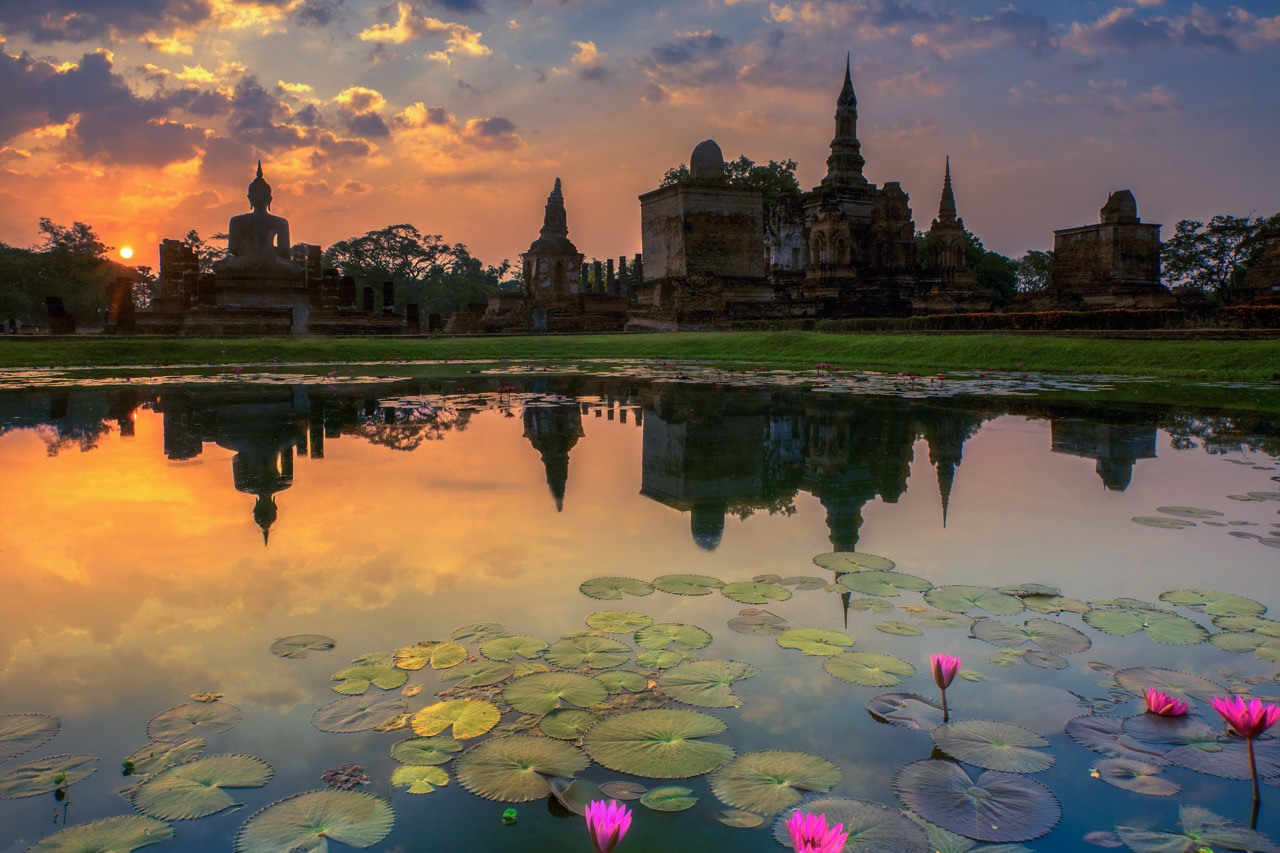
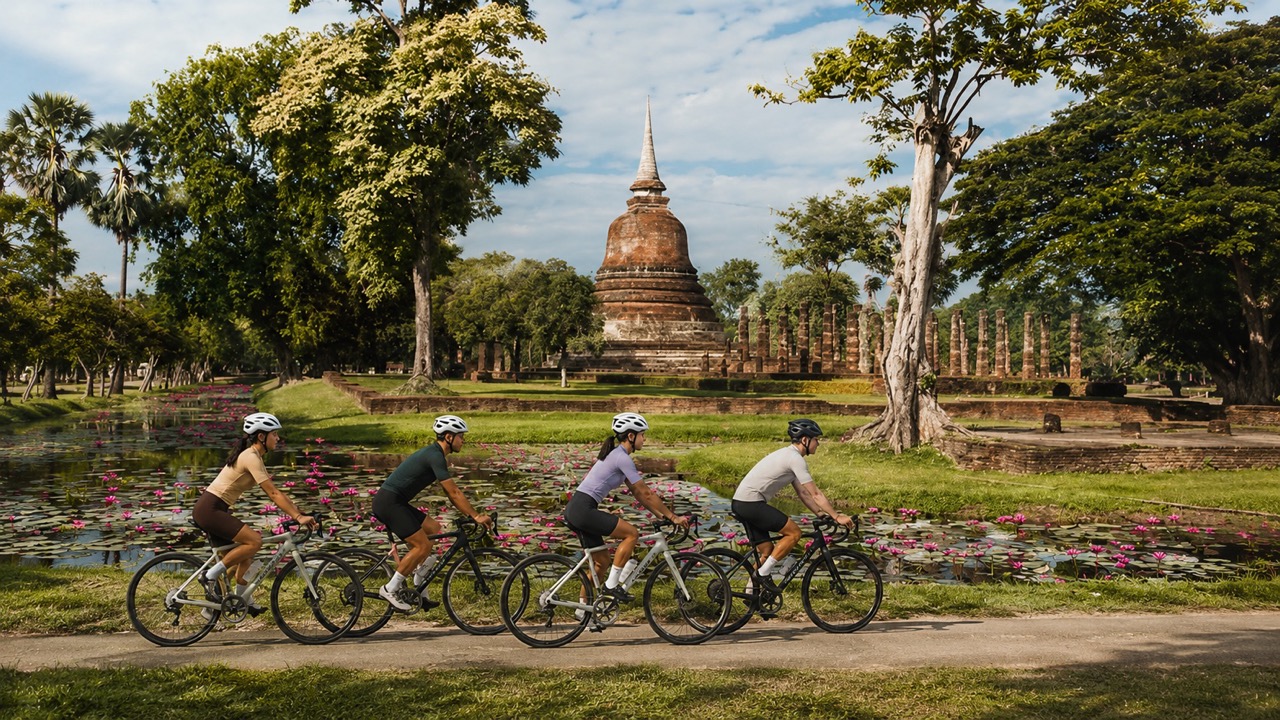
This is when Sukhothai is at its best. Temperatures drop to between 15°C and 26°C, the sky is consistently clear, and the morning light that falls across the stone of Wat Mahathat and the surface of the ancient reservoirs is the light that photographers come from a long way to find. The air is dry. The ruins are neither obscured by haze nor shimmering in heat. Cycling is comfortable for most of the day.
November and December are the quietest months within the cool season — the Thai school holiday crowds have not yet arrived, and international tourist numbers are building but not yet at their peak. January and February are busier, particularly around Chinese New Year, but the weather remains reliable. If you have a fixed window, November is the clearest recommendation.
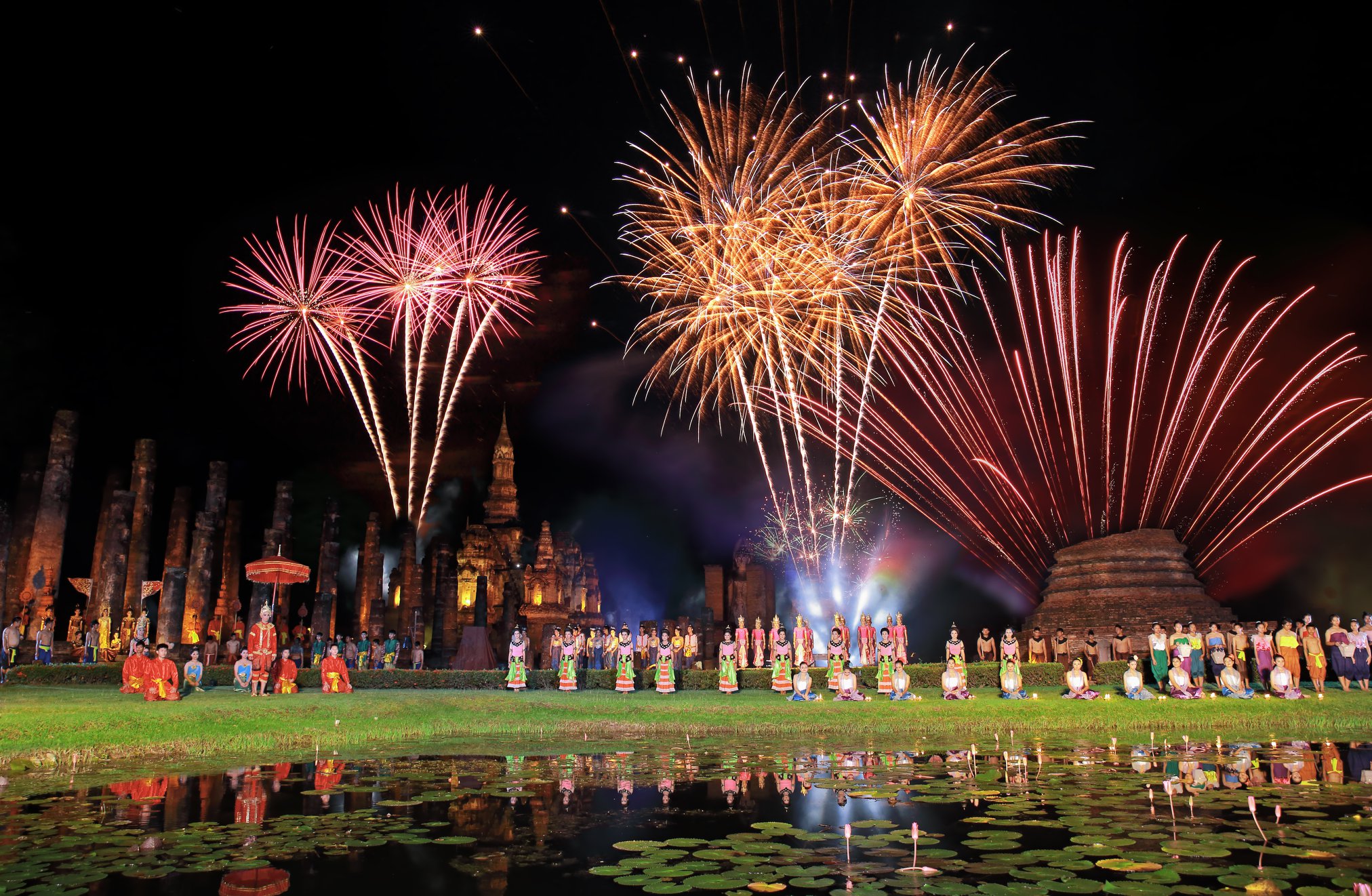
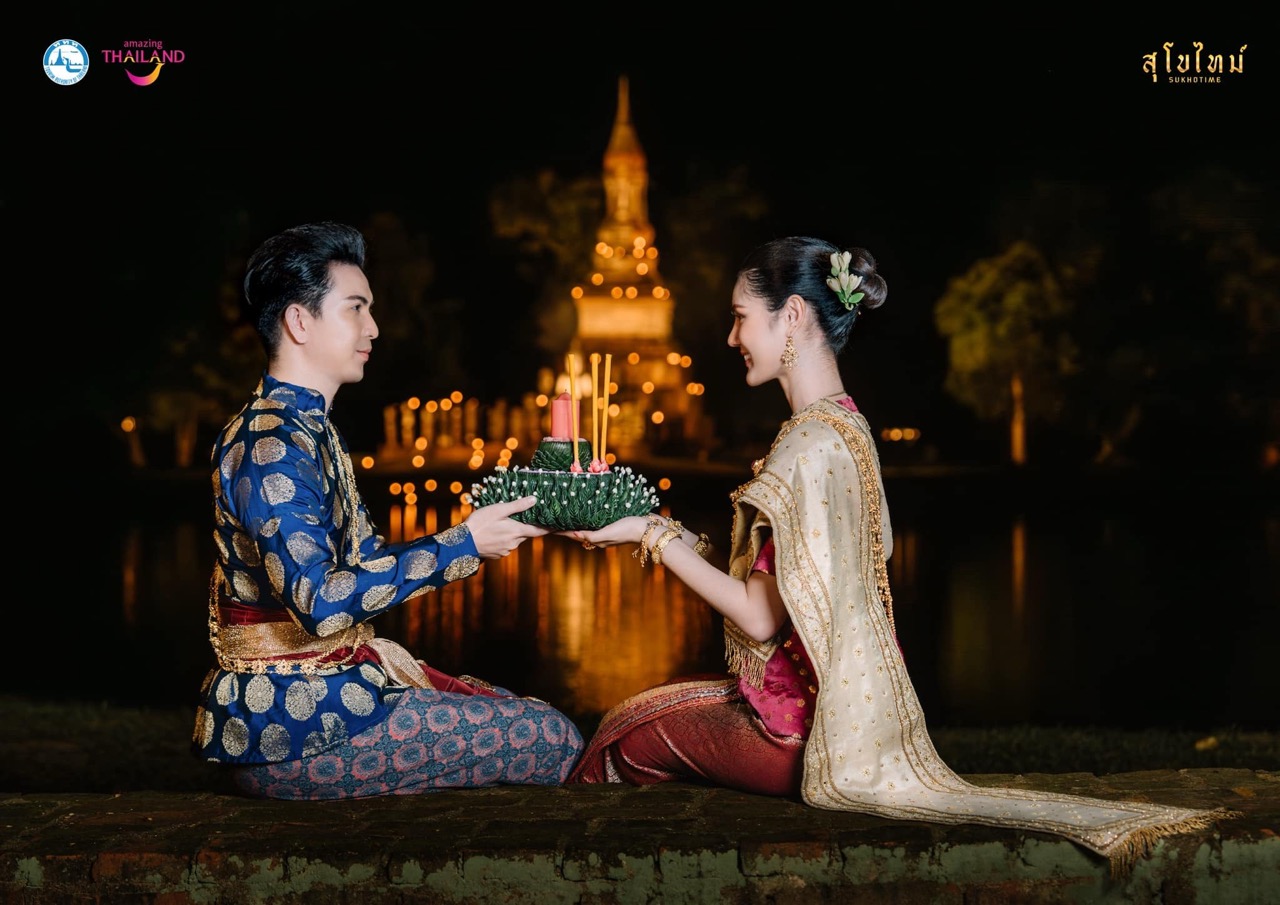
The cool season also contains the festival. Loy Krathong — the festival of lights, held on the full moon of the twelfth lunar month, usually falling in November — is celebrated across Thailand, but it was born in Sukhothai. In the old city, the three-day event fills the moats and reservoirs with krathong, lights the ruins from below, and draws tens of thousands of visitors to the historical park. Book well in advance if your dates align with it. It is worth it.
The Hot Season: March to May
March to May brings temperatures that regularly exceed 38°C by midday. The park is still worth visiting, but the visit needs to be organised differently: arrive at opening, move through the main sites before 9am, and retreat to the shade of a pool or a cool room by mid-morning. The afternoon heat is not suitable for extended outdoor activity.
The hot season does have an advantage: it is the quietest period for tourism. Accommodation is easier to find and often less expensive. The ruins in the early morning of a hot-season day carry a particular stillness — the air is already warm but the light is clear, and there are very few people. For visitors who are heat-tolerant and prefer solitude over optimal conditions, March and April have a case to make.
Songkran — the Thai New Year water festival — falls in mid-April and is celebrated with considerable energy throughout Thailand. In Sukhothai, it is accompanied by a traditional procession and the release of lanterns at the historical park. The roads become festive. It is an interesting time to visit, but not a quiet one.
The Wet Season: June to October
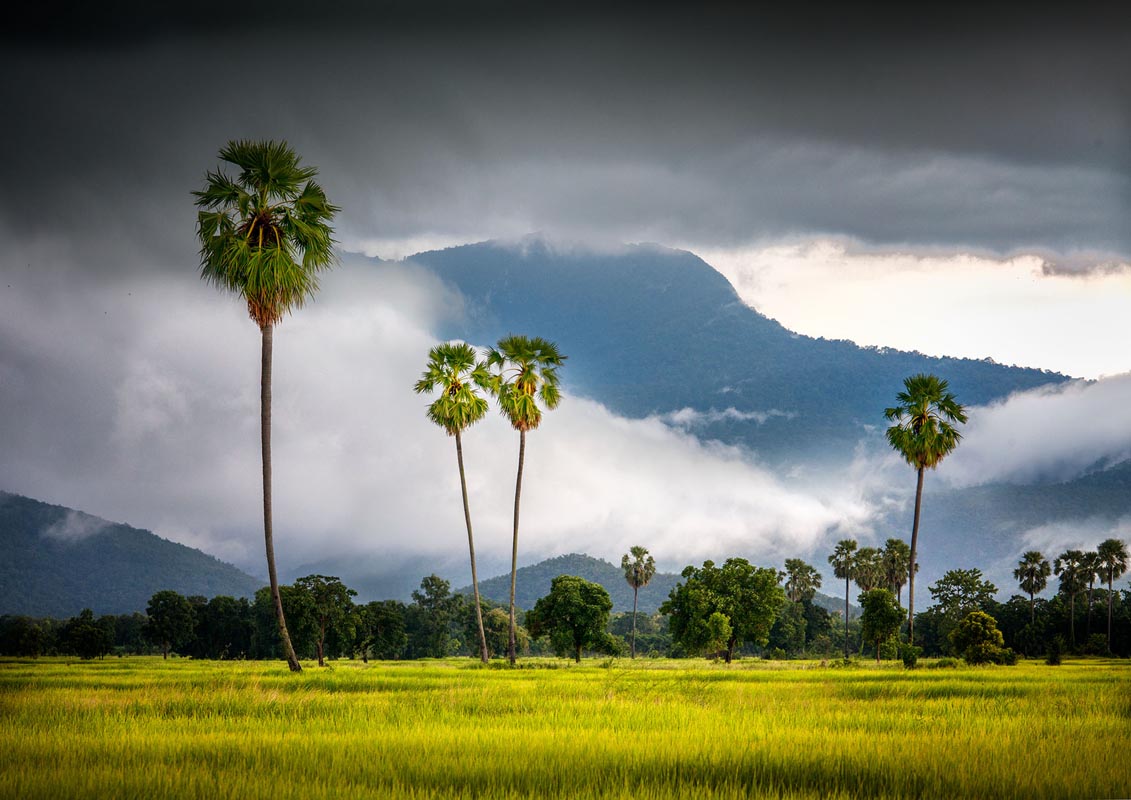
The rains come in June and last through October, with the heaviest rainfall typically in August and September. The landscape transforms: the rice fields turn an almost luminous green, the reservoirs within the historical park fill completely, and the vegetation surrounding the ruins grows dense and lush. Sukhothai in the wet season looks different from any photograph taken in the cool season.
Rain in the wet season tends to fall in heavy afternoon or evening downpours rather than all-day drizzle, which means morning visits to the park are often entirely dry. The cooler air that follows a storm makes the late afternoon surprisingly pleasant. Visitor numbers are at their lowest, and the city — particularly the area around the old city — belongs almost entirely to those who chose to come.
October marks the end of the rains and the start of the transition to the cool season. The fields are at their greenest, the water levels in the moats are at their highest, and the light is beginning to sharpen again. It is, for the right kind of traveller, one of the more rewarding times to visit.
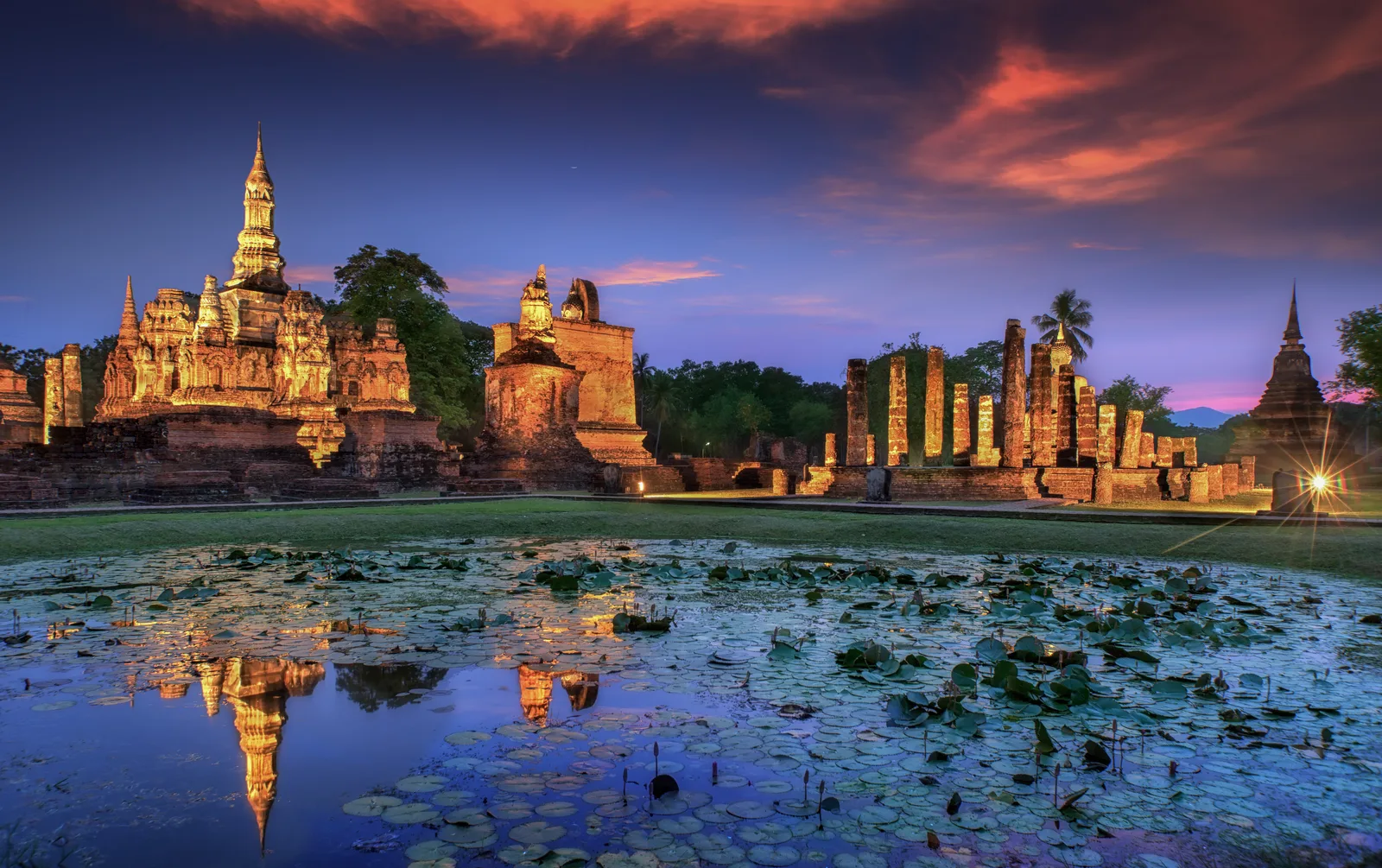
Loy Krathong was born in Sukhothai. On the full moon of November, the ancient moats fill with light, and the ruins become something they have not been since the kingdom itself was alive.
Visitor Information
Plan Your Visit
Distance from Resort
1.8 km from Sriwilai to the Sukhothai Historical Park
Best Time to Visit
November to February for the cool season; November specifically for Loy Krathong — book 2–3 months in advance for festival dates
Getting There
Sukhothai Airport (THS) is served by Bangkok Airways year-round. Transfer to Sriwilai takes approximately 20 minutes. The resort team can advise on festival dates and arrange early park access for sunrise visits.
What to Bring
- Light layers for November–February mornings
- Rain jacket for June–October afternoon showers
- Sunscreen and water for March–May visits
- Cash for festival entry and market stalls
Gallery
Sriwilai Sukhothai Resort & Spa
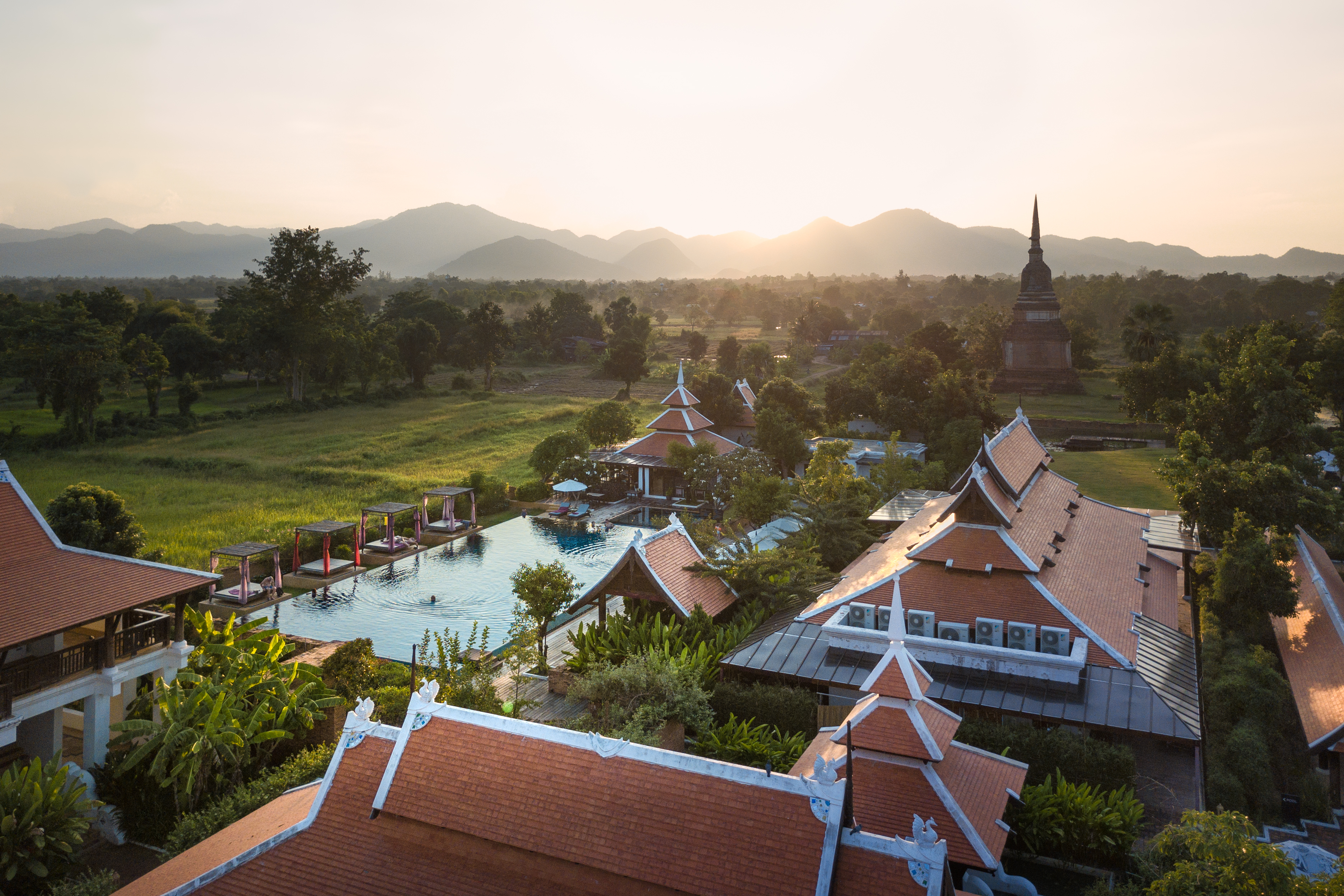
Stay 1.8 km from the ruins.
Wake before sunrise. Cycle to the park. Return for breakfast.